
Featured Snippet — Quick Answer
How do you improve gut health naturally?
Improving gut health comes down to feeding beneficial bacteria, reducing inflammation, and supporting your digestive system daily. The most effective evidence-based strategies include eating more fibre and fermented foods, cutting back on processed sugar, staying hydrated, managing stress, and getting consistent sleep.
- Eat 30+ different plant foods each week
- Add fermented foods like yogurt, kefir, and kimchi daily
- Reduce ultra-processed foods and added sugars
- Stay hydrated — aim for 2–2.5 litres of water per day
- Prioritise 7–9 hours of quality sleep every night
- Move your body for at least 20–30 minutes daily
- Manage chronic stress through breathing or mindfulness
- Avoid unnecessary antibiotic use
"Did you know your gut contains more bacteria than there are stars in the Milky Way — and most of them are working around the clock to keep you healthy? When that ecosystem falls out of balance, everything suffers: your energy, your mood, your immune system, even your skin."
Gut health has moved from niche science to one of the most researched areas in medicine over the past decade. And for good reason. Your gut microbiome — the vast community of bacteria, fungi, and other microorganisms living in your digestive tract — influences far more than digestion. It plays a direct role in immunity, mental health, weight regulation, inflammation, and even how well you sleep.
If you've been dealing with bloating, unpredictable digestion, constant fatigue, skin breakouts, or mood swings you can't explain, your gut may be sending you a signal worth listening to. The good news? You have more control over your gut health than you might think — and the changes required are practical, affordable, and often surprisingly fast-acting.
What Does "Gut Health" Actually Mean?
The term gets thrown around a lot, but gut health has a precise meaning. A healthy gut means your digestive system is efficiently breaking down food, absorbing nutrients, and eliminating waste — while maintaining a diverse and balanced microbiome that keeps harmful bacteria in check.
Disruption to this balance — called dysbiosis — is linked to conditions ranging from irritable bowel syndrome (IBS) and inflammatory bowel disease to anxiety, obesity, and autoimmune conditions. Research published in journals like Nature Medicine and Cell has shown that the composition of your microbiome is remarkably responsive to lifestyle changes, often within days to weeks.
The gut-brain axis is a two-way communication highway between your digestive system and your brain. This is why gut imbalances frequently show up as anxiety, low mood, or brain fog — not just stomach problems. If you've been struggling with mental cloudiness alongside digestive issues, these two problems may share the same root.

The gut microbiome contains trillions of microorganisms that regulate digestion, immunity, hormone balance, and even brain chemistry.
External Resource — World Health Organization Healthy Diet Guidelines — How Nutrition Shapes Your Gut and Whole Body who.int10 Proven Ways to Improve Gut Health Starting Today
These aren't abstract concepts. Each habit below is backed by peer-reviewed research and is practical enough to start this week. You don't need all ten at once — picking two or three and staying consistent will produce visible results.
Eat a wider variety of plants — aim for 30 per week
The landmark American Gut Project found that people who ate 30 or more different plant species weekly had significantly more diverse microbiomes than those who ate fewer than 10. Diversity in your gut bacteria is directly tied to resilience and reduced disease risk. "Variety" includes fruits, vegetables, whole grains, legumes, nuts, seeds, and herbs — even spices count.
Add fermented foods to at least one meal daily
Fermented foods are live-culture powerhouses. Kefir, plain yogurt with active cultures, kimchi, sauerkraut, miso, tempeh, and kombucha all introduce beneficial bacteria directly into your gut. A 2021 Stanford study found that a high-fermented food diet increased microbiome diversity and reduced inflammatory markers more effectively than a high-fibre diet alone over 10 weeks.
Prioritise prebiotic fibre — the food your gut bacteria eat
Probiotics get most of the attention, but prebiotics — the non-digestible fibres that feed your beneficial bacteria — are equally important. The best prebiotic sources include garlic, onions, leeks, asparagus, bananas, oats, flaxseeds, and Jerusalem artichokes. These fibres are fermented by gut bacteria into short-chain fatty acids (SCFAs), which reduce gut inflammation and strengthen the intestinal lining.
Cut back on ultra-processed food and added sugars
Ultra-processed foods — packaged snacks, fast food, sugary drinks, refined bread — feed harmful bacteria and starve the beneficial ones. High sugar intake specifically promotes the overgrowth of Candida and other opportunistic pathogens. Reducing processed food intake is one of the fastest ways to shift your microbiome composition in a positive direction, sometimes within 3–5 days.

Fermented foods are some of the most powerful tools for rebuilding gut bacteria diversity — and most are easy to find in any grocery store.
Stay hydrated — water supports your gut lining
Adequate hydration keeps the mucosal lining of your intestines intact, which acts as a protective barrier between your gut bacteria and your bloodstream. Dehydration thickens the mucus layer, slows motility (the movement of food through your system), and contributes to constipation. Aim for 2–2.5 litres of water daily — more if you're active or in a hot climate. Herbal teas and water-rich vegetables count too.
Get 7–9 hours of quality sleep every night
Sleep deprivation disrupts the gut microbiome in measurable ways within just two nights. Research from the Sleep Foundation and multiple gut studies has shown that poor sleep reduces microbial diversity, increases gut permeability ("leaky gut"), and elevates inflammatory markers. Conversely, consistent quality sleep allows the gut to carry out repair processes and maintain the balance of beneficial bacteria.
Move your body regularly — exercise feeds your microbiome
Exercise directly increases the abundance of bacteria that produce butyrate — a short-chain fatty acid that is the primary energy source for colon cells and has potent anti-inflammatory effects. Even moderate exercise like brisk walking, cycling, or yoga performed 4–5 times per week has been shown to improve microbiome diversity independent of diet. Sedentary lifestyles, by contrast, correlate with reduced microbial richness.
Manage stress — your gut feels every bit of it
The gut has its own nervous system — the enteric nervous system — with over 500 million neurons. Chronic psychological stress triggers the release of cortisol, which alters gut motility, reduces beneficial bacteria, and increases gut permeability. Practices like diaphragmatic breathing, progressive muscle relaxation, time in nature, and even journaling have measurable effects on gut inflammation via the vagus nerve pathway.
Avoid unnecessary antibiotic use
Antibiotics save lives — but they're indiscriminate. A single course can wipe out a significant portion of your gut bacteria, and recovery can take anywhere from weeks to over a year depending on the antibiotic used and your baseline microbiome health. If you do need antibiotics, take a clinically-validated probiotic (Lactobacillus rhamnosus GG or Saccharomyces boulardii are well-studied) at least two hours after each dose to help minimise the disruption.
Eat more omega-3s and anti-inflammatory foods
Chronic gut inflammation is one of the biggest barriers to a healthy microbiome. Omega-3 fatty acids — found in fatty fish like salmon and sardines, walnuts, chia seeds, and flaxseeds — have been shown to reduce gut inflammation and increase the abundance of anti-inflammatory bacterial species. Pairing omega-3 intake with a diet low in omega-6-heavy seed oils (sunflower, soybean, corn) helps shift the inflammatory balance in your gut significantly.
Signs Your Gut Health Is Improving
Changes to your microbiome can happen quickly — but your body doesn't always announce them loudly. Here's what to watch for as positive shifts begin to take hold:
- More regular bowel movements without straining or urgency — 1–3 times per day is a healthy range
- Reduced bloating and gas after meals, especially after eating fibre-rich or fermented foods
- Improved mood and mental clarity — the gut-brain axis responds noticeably as serotonin production stabilises
- Better skin — gut inflammation often manifests as acne, eczema, or dullness; clearing the gut frequently clears the skin
- Stronger immune response — fewer colds and faster recovery from illness
- More stable energy levels throughout the day, without dramatic post-meal crashes
- Reduced food cravings, particularly for sugar — harmful bacteria that feed on sugar produce cravings; starving them reduces the pull
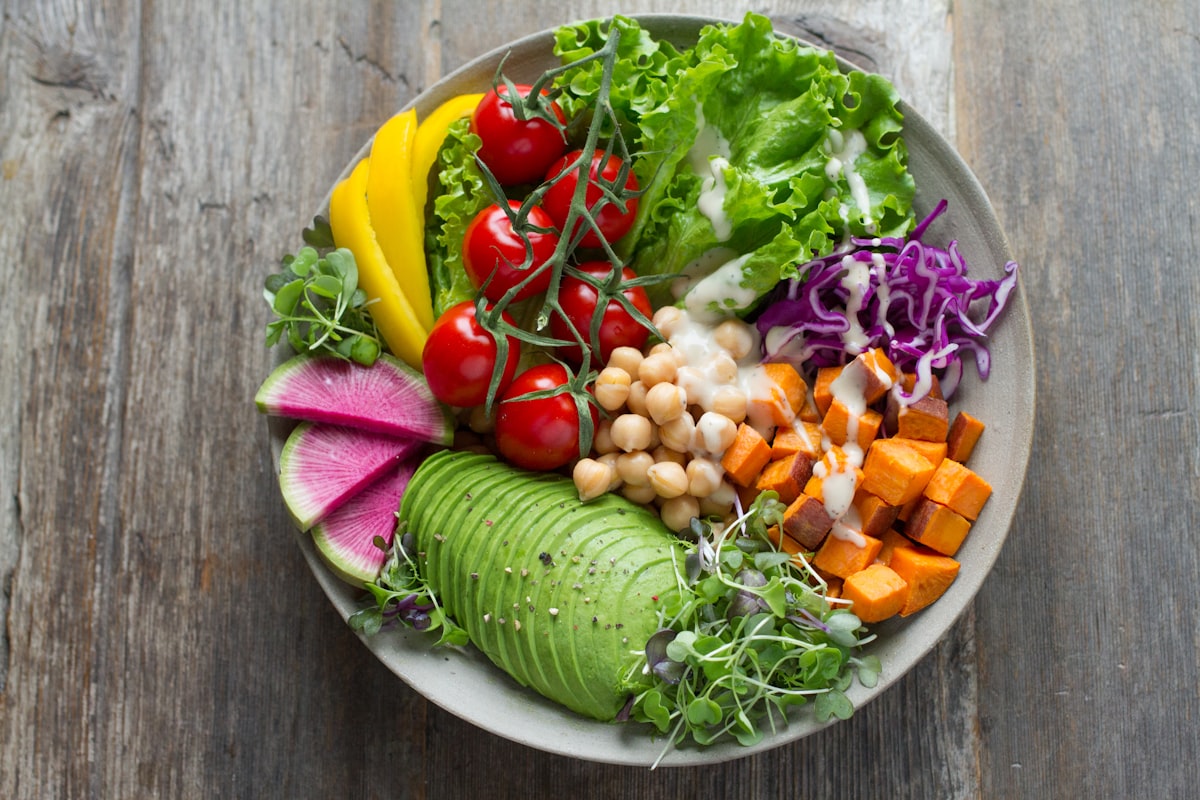
A diet rich in whole foods, fibre, and anti-inflammatory fats creates the foundation for a thriving, diverse gut microbiome.
Related on WellnessWave Anti-Inflammatory Meal Prep Bowls: 5 Recipes to Reduce Inflammation All WeekCommon Gut Health Mistakes That Slow Your Progress
Even people making genuine effort to improve gut health sometimes plateau — usually because of one of these overlooked habits:
Taking probiotics without prebiotics
Probiotic supplements introduce beneficial bacteria, but without the prebiotic fibre to feed them, they rarely colonise long-term. Think of it as planting seeds without watering them. Always combine probiotic foods or supplements with prebiotic-rich foods at the same meal or the same day.
Eating too fast and not chewing thoroughly
Digestion begins in the mouth. Chewing thoroughly breaks down food into smaller particles and mixes it with saliva containing digestive enzymes. Rushing meals reduces this first phase of digestion, forcing the gut to work harder and often leading to fermentation of undigested food — which produces gas, bloating, and discomfort.
Relying on supplements instead of real food
The probiotic supplement market is worth billions, but the evidence for pill-based probiotics reaching and colonising the gut is far weaker than for fermented whole foods. Real food delivers a broader spectrum of bacterial strains alongside the prebiotic fibre and nutrients those bacteria need. Use supplements to bridge gaps — not as a replacement for dietary changes.
External Resource — Mayo Clinic Probiotics and Gut Health — What the Evidence Actually Shows mayoclinic.org Deep Dive on WellnessWave Gut Health Revolution 2026: The Complete Guide to Healing Your MicrobiomeYour 7-Day Gut Health Starter Plan
You don't need a total diet overhaul to start seeing results. Here's a practical week-by-week approach that layers habits gradually:
- Day 1–2: Add one fermented food per day (yogurt with breakfast, a spoonful of kimchi with lunch)
- Day 3–4: Swap your afternoon snack to nuts, seeds, or a piece of fruit with skin — prebiotic fibre in action
- Day 5: Cook one meal using garlic, onions, leeks, or asparagus as a base
- Day 6: Go for a 25-minute walk and drink an extra glass of water before each meal
- Day 7: Set a consistent sleep and wake time — and protect it for the next 7 days
After one week, layer in two more changes. After a month, these habits will feel automatic — and your gut will have already started responding. Most people report noticeably improved digestion within 10–14 days of consistent effort.
🔗 Sources & Further Reading
- World Health Organization — Healthy Diet Guidelineswho.int
- Healthline — 10 Ways to Improve Your Gut Bacteria, Based on Sciencehealthline.com
- Mayo Clinic — Probiotics: What You Need to Knowmayoclinic.org
- WellnessWave — Gut Health Revolution: The Complete Guide to Healing Your Microbiomewellnesswavehp.blogspot.com
Start with one change — your gut will notice.
You don't need to overhaul your entire diet overnight. Pick the one habit from this list that feels most doable right now and practise it consistently for the next seven days. Whether that's adding kimchi to your lunch, going for a post-dinner walk, or simply drinking a glass of water before every meal — small, consistent steps are how lasting gut health is built.
Which of these gut health habits will you try first? Drop a comment below — we'd love to hear what's working for you. And if this helped, share it with someone who's been struggling with digestion or low energy. Explore more evidence-based health guides at WellnessWave Health & Prevention.
Comments
Post a Comment