How to Speed Up Your Metabolism: 13 Proven Ways That Actually Work
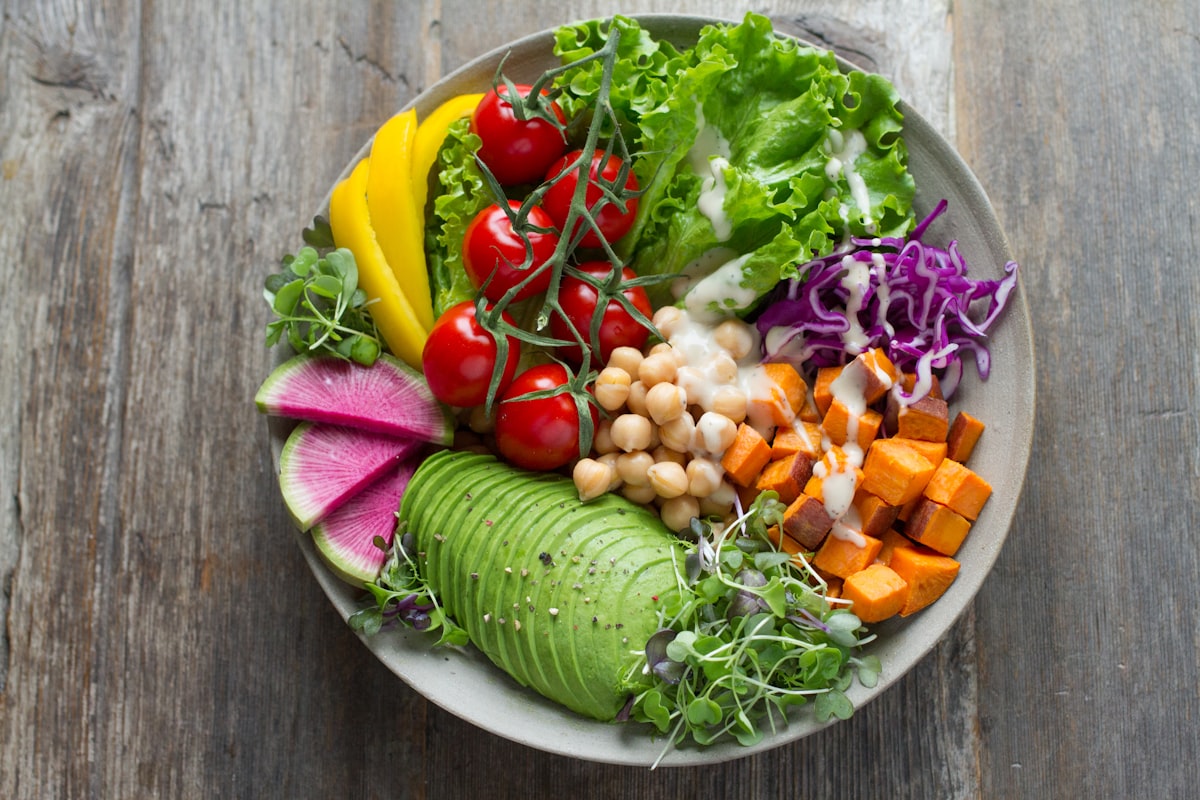
What you eat — and when — plays a direct role in how fast your metabolism runs every day.
You eat carefully, stay reasonably active, and still feel like your body burns calories at the speed of a sleeping sloth. Sound familiar? You're not imagining it — and it's not just "bad genetics."
Your metabolism is not a fixed number you're stuck with. It's a dynamic system that responds to what you eat, how you move, how well you sleep, and dozens of other daily inputs. The right moves can genuinely shift the dial — sometimes dramatically.
This guide covers exactly how to speed up your metabolism using 13 strategies with real science behind them. No detox teas, no miracle supplements, no starvation — just practical, sustainable changes that compound over time.
To speed up your metabolism, focus on building muscle, eating enough protein, staying active throughout the day, sleeping well, and avoiding the dieting patterns that actually slow it down. Your metabolic rate responds directly to how you treat your body — and the changes can show up within 2–4 weeks.
Top metabolism boosters at a glance:- Build lean muscle through resistance training
- Eat enough protein at every meal
- Never skip breakfast or under-eat chronically
- Stay active between workouts (NEAT matters)
- Sleep 7–9 hours — this one is non-negotiable
- Drink cold water and green tea regularly
- Manage stress — cortisol tanks metabolic rate
What Is Metabolism — And Why Does It Slow Down?
Your metabolism is the sum of all chemical processes your body uses to convert food into energy. It has three main components: your Basal Metabolic Rate (BMR) — calories burned at rest — your NEAT (Non-Exercise Activity Thermogenesis — all movement outside formal exercise), and the Thermic Effect of Food (TEF) — the calories burned just digesting what you eat.
BMR accounts for 60–70% of total daily calorie burn. This is why even small changes to your resting metabolic rate produce significant results over weeks and months.
Several factors slow metabolism over time: loss of muscle mass (which begins in your 30s), chronic under-eating, poor sleep, sedentary habits, and hormonal shifts. The good news is that most of these are directly reversible with the right approach.
How to Speed Up Your Metabolism: 13 Evidence-Based Strategies
1. Build Muscle With Resistance Training
Muscle is metabolically expensive tissue — it burns calories around the clock, even while you're sitting or sleeping. The more lean muscle you carry, the higher your resting metabolic rate, full stop.
Resistance training 3–4 times per week — whether with weights, resistance bands, or bodyweight circuits — is the single most effective long-term strategy for a faster metabolism. The effects compound for up to 48 hours after each session through a process called Excess Post-Exercise Oxygen Consumption (EPOC).
If you've been struggling with stubborn weight despite eating well, building muscle is likely the missing piece. Pair this strategy with the proven belly fat reduction strategies on Wellness Wave for amplified results.
2. Eat Enough Protein at Every Meal
Protein has a thermic effect of 20–35% — meaning your body burns up to 35 calories for every 100 calories of protein you eat, just in the process of digesting it. Carbohydrates burn 5–10%, and fat burns just 0–3%.
High-protein meals also preserve muscle mass during weight loss, preventing the metabolic slowdown that happens when you lose muscle alongside fat. Aim for a palm-sized serving of protein — eggs, chicken, fish, legumes, Greek yogurt — at every meal.
3. Never Chronically Under-Eat
This is one of the most damaging metabolism mistakes people make repeatedly. When you eat too little for too long, your body activates "adaptive thermogenesis" — a biological survival mechanism that slashes your metabolic rate by 15–25% to conserve energy.
The result: you plateau, feel exhausted, and often regain weight rapidly when you return to normal eating. Eating at a moderate deficit (300–500 calories below maintenance) keeps the metabolism running efficiently while still supporting fat loss.

A protein-rich breakfast sets your metabolic rate on the right track for the entire day.
4. Maximize NEAT — Move More Between Workouts
NEAT (Non-Exercise Activity Thermogenesis) — the calories you burn through fidgeting, walking, standing, housework, and all movement outside structured exercise — can account for 200–800 extra calories burned per day in active people.
Research from the Mayo Clinic found that NEAT differences between people explain much of the variation in weight gain even when they eat the same diet. Simple changes — taking the stairs, walking while on calls, standing desks — make a measurable difference over weeks and months.
5. Drink More Cold Water
Drinking water temporarily boosts your metabolic rate by 10–30% for about 30–40 minutes after consumption. The effect is amplified when water is cold, because your body burns extra calories warming it to body temperature.
One study found that drinking 500ml of cold water increased metabolic rate by 24% within 10 minutes. Aim for 8–10 glasses daily and drink a large glass first thing in the morning before eating anything.
6. Drink Green Tea or Oolong Tea
Green tea and oolong tea contain catechins and caffeine — compounds that work together to temporarily increase metabolic rate by 4–5% and fat oxidation by up to 17%. While the effect per cup is modest, consistency compounds.
Two to three cups of green tea per day is a practical, low-cost habit with well-documented metabolic and antioxidant benefits, particularly for people who don't tolerate high caffeine doses.
7. Prioritize Sleep Every Single Night
Sleep deprivation is a direct metabolic saboteur. Sleeping less than 6 hours triggers a cascade of hormonal disruption: cortisol rises, insulin sensitivity drops, ghrelin surges (increasing hunger), and leptin falls (reducing satiety).
Studies show that just two nights of poor sleep can reduce the rate at which fat cells release energy by up to 30%. Your metabolism quite literally downshifts when you're sleep deprived. Seven to nine hours is not a luxury — it's a metabolic requirement. If stress is disrupting your sleep, read about natural supplements for anxiety and nerve-calming that many people find genuinely helpful.
8. Eat Spicy Foods Occasionally
Capsaicin — the compound that gives chili peppers their heat — temporarily boosts metabolic rate by 4–8% and increases fat burning. The effect isn't dramatic enough to replace exercise, but adding chili, cayenne, or jalapeños to your meals regularly provides a small, cumulative edge alongside other strategies.
Capsaicin also reduces appetite slightly, making it doubly useful during a fat loss phase.
9. Don't Skip Breakfast Regularly
Your body's metabolic rate is naturally higher in the first half of the day. Eating a balanced, protein-rich breakfast activates thermogenesis, stabilizes blood sugar, and reduces the risk of overeating later. Studies consistently show that habitual breakfast eaters have more stable metabolic rates than those who skip it.
This doesn't mean breakfast must be large or elaborate. A high-protein option — Greek yogurt with berries, eggs with whole grain toast, or a protein smoothie — takes under five minutes and sets the right tone for the day.
10. Manage Stress and Lower Cortisol
Chronically elevated cortisol — the primary stress hormone — suppresses thyroid function, promotes muscle breakdown, increases fat storage (especially visceral belly fat), and directly slows metabolic rate. It's one of the most overlooked drivers of stubborn weight.
Daily practices like deep breathing, walking outdoors, cold showers, journaling, and limiting news consumption all measurably reduce cortisol levels over time. Even 10 minutes of intentional relaxation per day produces hormonal shifts within weeks.
For a deeper look at how stress connects to weight, energy, and brain function, the Wellness Wave post on why your brain feels foggy and sluggish covers the cortisol-brain-metabolism link in detail.
11. Don't Fear Coffee (In Moderation)
Caffeine is one of the few substances with consistently proven metabolic effects. It stimulates the central nervous system, increases fat oxidation, and temporarily boosts metabolic rate by 3–11% depending on body weight and caffeine sensitivity.
One to two cups of black coffee in the morning — timed before a workout if possible — maximizes its thermogenic and performance benefits. Avoid adding high-calorie creamers or syrups that offset these gains entirely.
12. Heal Your Gut for Better Metabolic Signaling
Your gut microbiome plays a direct and increasingly well-understood role in metabolic function. Certain gut bacteria species regulate how efficiently you extract calories from food, how your body handles glucose, and how hunger hormones like GLP-1 and leptin are produced.
A microbiome rich in diversity — fed by fiber, fermented foods, and whole plant foods — tends to produce a leaner, more metabolically efficient body. Read the full guide on healing your gut microbiome naturally for a complete breakdown of the best foods and habits.
13. Time Your Larger Meals Earlier in the Day
Your body's metabolic efficiency follows a circadian rhythm — it processes and burns calories more effectively in the morning and early afternoon than at night. Research from the NIH Journal of Clinical Endocrinology confirmed that eating the same calories earlier in the day produced significantly greater weight and fat loss than eating them later.
Practical application: make breakfast and lunch your largest meals. Keep dinner lighter — a lean protein with vegetables rather than a heavy, carb-dense plate eaten right before bed.

Resistance training builds calorie-burning muscle that keeps your metabolic engine running 24 hours a day.
Metabolism Myths That Are Slowing You Down
Before you go, here are a few widely believed metabolism myths worth leaving behind for good:
- "Eating small meals every 2 hours boosts metabolism." Meal frequency has little effect on total metabolic rate. What matters is total daily protein and calorie intake — not how often you eat.
- "Doing hours of cardio is the best metabolism fix." Cardio burns calories during exercise but doesn't raise resting metabolic rate significantly. Resistance training does both.
- "Metabolism is purely genetic and can't be changed." Genetics influence your starting point — but lifestyle, muscle mass, and habits are far more powerful determinants of where you end up.
- "Metabolism boosting supplements work." Most thermogenic pills contain stimulants with marginal effects and real cardiovascular risks. The strategies in this guide outperform any supplement on the market.
How Long Before You Notice a Difference?
With consistent focus on protein intake, resistance training, better sleep, and stress management, most people notice improved energy levels and reduced hunger within 1–2 weeks. Measurable changes in body composition — less fat, more definition — typically appear within 4–8 weeks.
The metabolic system responds incrementally. Two or three small positive changes sustained over months produce more lasting results than a two-week "metabolism reset" followed by a return to old habits.
According to the World Health Organization, sustainable health improvements are always built on consistent lifestyle behaviour — not short-term interventions. Build the habits first. The metabolic shift follows.
Your Daily Metabolism-Boosting Checklist
Use this as a simple daily reference to keep the key habits front of mind:
- Drink a large glass of cold water first thing in the morning
- Eat a high-protein breakfast within 1–2 hours of waking
- Include protein in every meal (aim for 25–35g per meal)
- Do at least 20–30 minutes of resistance training today
- Take a 10-minute walk after your largest meal
- Limit sitting — stand or move for at least 5 minutes every hour
- Wind down screens 30 minutes before bed and aim for 7–9 hours sleep
- Do 5–10 minutes of stress-relief breathing or meditation
Ready to Wake Up Your Metabolism?
Pick three strategies from this list and commit to them for the next 21 days. Track your waist and energy levels — not just the scale. Drop a comment below sharing which tip surprised you the most!
Keep exploring on Wellness Wave:
Weight Loss Tips Nutrition Guides All Health Tips- Mayo Clinic — Metabolism and Weight Loss
- World Health Organization — Obesity and Overweight
- NIH — Meal Timing and Metabolic Rate
- Wellness Wave — How to Lose Belly Fat Fast
- Wellness Wave — Heal Your Gut Microbiome Naturally
- Wellness Wave — Natural Supplements for Anxiety Relief
- Wellness Wave — Why Your Brain Feels Foggy
Comments
Post a Comment